Owners and operations
Data center development: independent reporting for data center developers, designers and builders
Reporting for data center teams on power, land, cooling plants and how insurers and utilities see very large projects.
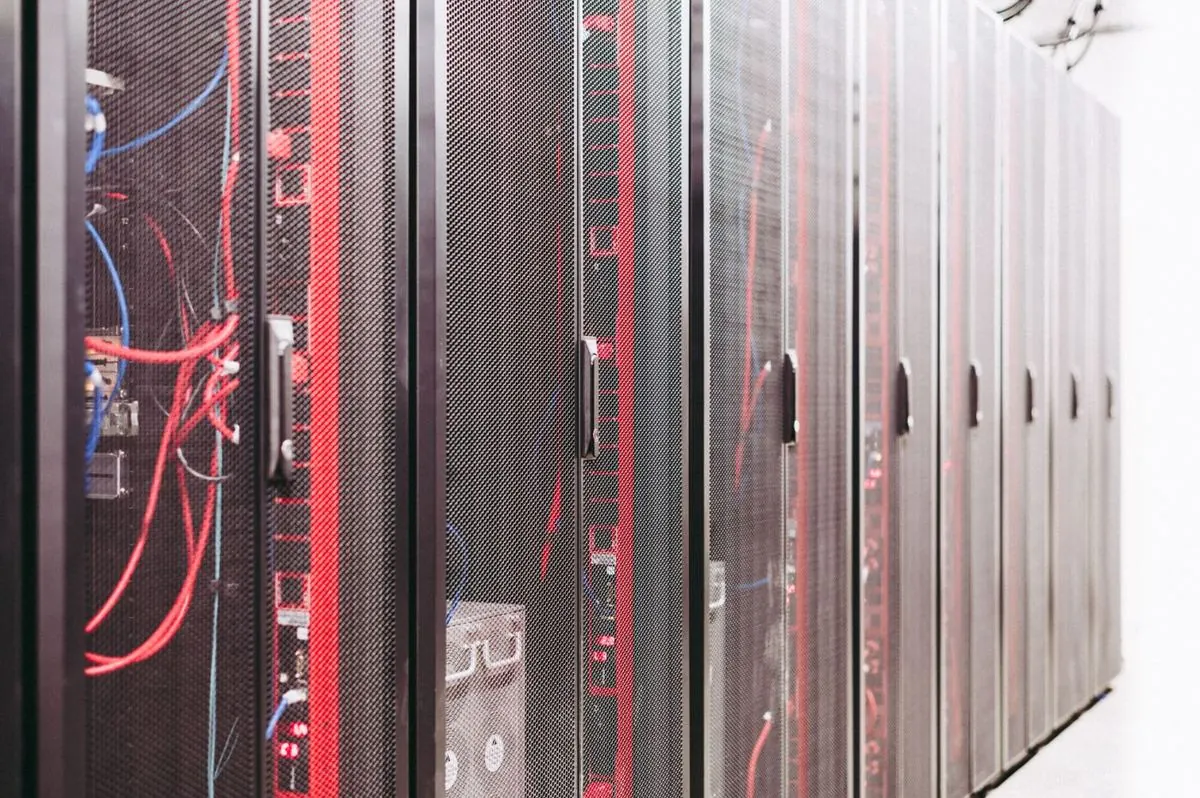
Data center development, defined
Data center development is the siting, design and construction of buildings that house computing equipment. Electrical supply and cooling account for much of the design and cost.
What Field Letter Press covers for data center developers, designers and builders
Field Letter Press reports on what determines where and how data centers get built: electricity demand and the land near it, the cooling plant as an operating business, and the utilities on the other side of the meter.
Case in point
From 4.4 percent of U.S. power to as much as 12 percent in five years
The federal estimate of data center electricity use is a range wide enough to change how utilities plan.
The most cited number on data center power comes from Lawrence Berkeley National Laboratory's 2024 report to Congress, required by the Energy Act of 2020. It estimates that U.S. data centers used about 176 terawatt-hours in 2023, roughly 4.4 percent of the nation's electricity, up from 58 terawatt-hours in 2014. Annual growth was about 7 percent from 2014 to 2018 and 18 percent from 2018 to 2023, driven largely by AI servers.
The forecast is deliberately a range. LBNL projects 325 to 580 terawatt-hours by 2028, or 6.7 to 12 percent of forecast U.S. consumption, depending on assumptions about server shipments, utilization and cooling. The low and high ends differ by more than the entire 2023 total. The estimate excludes cryptocurrency mining.
For the design and construction teams building these facilities, the range is the story. Utilities and grid operators have to plan generation and transmission against a number that could land anywhere in that band, which is why interconnection rules, deposits and minimum-demand contracts are tightening. Cooling choices affect where in the range the country lands, which puts mechanical engineers closer to the center of the energy debate than they usually are.
Sources
- LBNL / DOE: 2024 United States Data Center Energy Usage Report
- DOE news release, December 20, 2024
- Congressional Research Service R48646 (data center energy)
Checked against the sources listed, November 14, 2026. Figures and rules that change over time are re-checked when this page is updated.
From The Reference
Source-built tables with downloads, checked November 15, 2026.
- Large-load grid rules in Texas and Virginia
Who the two rules apply to, what they cost up front and when they take effect, from the orders themselves.
Reporting on data center development
- News analysisData Centers and the New Geography of Land
ERCOT is tracking about 474 GW of large loads seeking a grid connection, most of it data centers. Texas and Virginia now require deposits and long contracts before a site's power is real.
- AnalysisThe Chiller Plant as a Line of Business
Ohio State and the University of Iowa each took more than $1 billion up front for a 50-year lease of their campus utilities. The fee schedules, a state auditor's review and a lawsuit now show what the owner pays.
- ExplainerHow Water Utilities Are Allowed to Buy Software
Federal security deadlines put new duties on water systems this year. The procurement rules those systems must follow when they buy software were drafted for construction bids and engineering selection.
- AnalysisMass Timber Meets the Insurance Market
Tall mass timber is in the building code of 38 states. Insurers classify it by their own methods, and many carriers will take only a third of a project's coverage or less.
Questions about data center development
Why does power drive data center site selection?
A data center needs a large and reliable electrical supply, and the time needed to obtain a grid connection often sets the project schedule.
What is PUE?
PUE, or power usage effectiveness, is a facility's total energy use divided by the energy used by its computing equipment. A figure closer to 1 means less overhead.
What has Field Letter Press published on data center development?
Recent pieces include “Data Centers and the New Geography of Land”, “The Chiller Plant as a Line of Business” and “How Water Utilities Are Allowed to Buy Software”.
Related fields
Page updated November 14, 2026.