Engineering
Structural engineering: independent reporting for structural engineers and engineers of record
Independent reporting for structural engineers: peer review, delegated design, embodied carbon in the specifications and existing-building triggers.
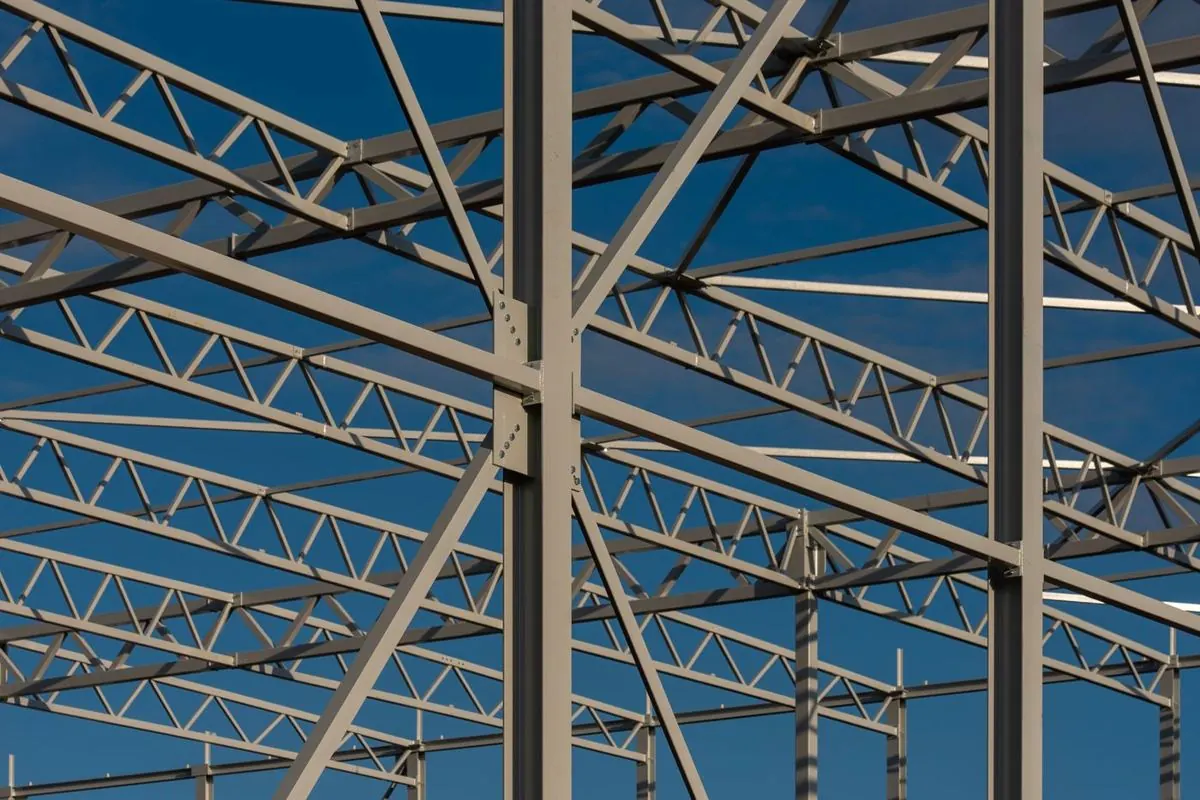
Structural engineering, defined
A structural engineer designs the frame and foundations that carry gravity, wind and seismic loads to the ground. The engineer of record signs and seals that design and remains responsible for the structure as a whole.
What Field Letter Press covers for structural engineers and engineers of record
Field Letter Press covers the places where structural responsibility is divided or tested: review panels in major cities, connections designed by someone other than the engineer of record, and carbon limits written into structural sections.
Case in point
Tornadoes entered the load standard in 2022. Adoption is the slow part
ASCE 7-22 added the first tornado chapter after a decade of work that began with Joplin.
Until the 2022 edition, ASCE 7 had no tornado provisions at all. Engineers designing ordinary buildings in tornado country used straight-line wind loads, which behave differently from the rotating, rising winds of a tornado. ASCE/SEI 7-22 added Chapter 32, developed by a task committee chaired by Marc Levitan of NIST. The effort traces to the May 2011 tornado that destroyed much of Joplin, Missouri.
The chapter is narrower than its reputation. It applies only to Risk Category III and IV buildings, such as schools, assembly occupancies and hospitals, located in the tornado-prone region, roughly the eastern two-thirds of the country. Design tornado speeds run from 60 to 138 mph depending on location and the building's effective plan area, which corresponds to tornadoes of about EF2 intensity or less. The committee's vice chair put it plainly: this is not shelter design, it is somewhat higher wind loads in certain regions.
A standard is not law. The 2024 International Building Code now points Risk Category III and IV buildings in the tornado-prone region to Chapter 32, but a project is bound only once its state or city adopts that code edition, and jurisdictions can adopt a code while striking parts they do not want. For a structural firm the practical question is which edition the authority having jurisdiction has adopted, project by project.
Sources
- ASCE Civil Engineering: ASCE 7-22 adds tornado chapter
- ENR: Tornado-resistant building design premieres in ASCE 7-22
- STRUCTURE magazine: 2024 IBC significant structural changes, loads
Checked against the sources listed, November 14, 2026. Figures and rules that change over time are re-checked when this page is updated.
From The Reference
Source-built tables with downloads, checked November 15, 2026.
- Office conversion floor plates: two New York cases at one scale
Two plates from the city's task force, drawn to the same scale with window and glazing details.
Reporting on structural engineering
- AnalysisWhat Structural Peer Review Now Covers
Los Angeles, San Francisco and New York now require review panels that reach beyond structure into geotechnical work, ground motions and wind. None of the documents measures how long that takes.
- ExplainerDelegated Design and the Missing Signature
Delegation moves design work to a specialty engineer. It does not move responsibility for the whole structure, and the written criteria are the only thing connecting the two.
- ExplainerEmbodied Carbon Moves Into the Structural Specifications
California now applies embodied carbon limits to nonresidential projects of 50,000 square feet or more. The numbers differ by statute, by unit and by date, so the first job is finding the table that governs.
- ExplainerAdaptive Reuse Is Now a Structural Question
The carbon case gets a project to the decision to keep an old frame. A handful of code triggers then decide how much of that frame can stay as it is.
- AnalysisMass Timber Meets the Insurance Market
Tall mass timber is in the building code of 38 states. Insurers classify it by their own methods, and many carriers will take only a third of a project's coverage or less.
Questions about structural engineering
What is delegated design?
Delegated design is when the engineer of record sets performance criteria and a specialty engineer, hired by a contractor or fabricator, designs a component such as steel connections, stairs or precast to meet them.
What is structural peer review?
Peer review is an independent check of a design's assumptions, analysis and drawings by another structural engineer. Some building departments require it for tall or unusual buildings.
What has Field Letter Press published on structural engineering?
Recent pieces include “What Structural Peer Review Now Covers”, “Delegated Design and the Missing Signature” and “Embodied Carbon Moves Into the Structural Specifications”.
Related fields
Page updated November 14, 2026.