Construction
Cost estimating and quantity surveying: independent reporting for estimators and cost consultants
Reporting for estimators on automated takeoff, bid tab analysis, what sureties and lenders read in the numbers.
Cost estimating and quantity surveying, defined
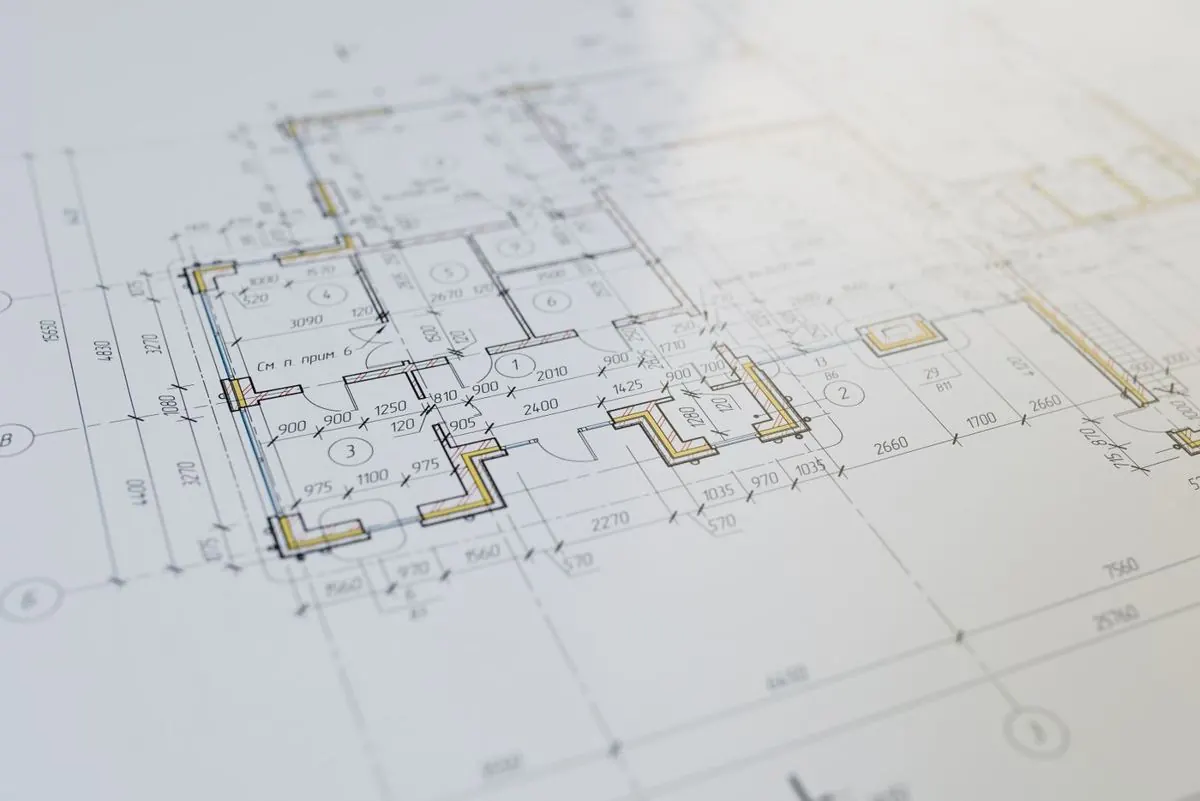
Cost estimating forecasts what a project will cost by measuring quantities from the drawings or model and pricing the labor, material and equipment to build them.
What Field Letter Press covers for estimators and cost consultants
Field Letter Press covers what is changing in the estimator's work and who reads the result: software that produces the takeoff, the economics visible in a bid tabulation, and the underwriters who test the figures.
Case in point
An estimate's class is set by the drawings, not by the effort
AACE's classification system ties accuracy to project definition, and the ranges overlap more than most owners assume.
Read transcript
An estimate's class is set by the drawings, not by the effort
AACE's classification system ties accuracy to project definition, and the ranges overlap more than most owners assume.
AACE International's cost estimate classification system sorts estimates into five classes, from Class 5 concept screening to Class 1 check estimates. Its central rule is that the maturity of project definition is the sole determining characteristic of an estimate's class. Methodology, effort and the precision of the numbers are secondary. A detailed takeoff from a sketch is still a Class 5 estimate.
The accuracy ranges that come with the classes are wide and, by design, overlap. In the version written for the process industries, Recommended Practice 18R-97, a Class 5 estimate made with 0 to 2 percent of the project defined typically falls between 20 and 50 percent low and 30 to 100 percent high. A Class 4 estimate at 1 to 15 percent definition runs roughly 15 to 30 percent low and 20 to 50 percent high. AACE notes that a Class 5 estimate for one project can be as accurate as a Class 3 for another, because complexity, unfamiliar technology and the quality of reference data also drive the range.
AACE publishes a separate practice for building and general construction, 56R-08, built on the same principle. For an estimator the value of the framework is in the conversation it forces with the owner: a budget set from a Class 5 number carries a range, whatever the spreadsheet says.
The full piece, with numbered sources, is at fieldletterpress.com.
AACE International's cost estimate classification system sorts estimates into five classes, from Class 5 concept screening to Class 1 check estimates. Its central rule is that the maturity of project definition is the sole determining characteristic of an estimate's class. Methodology, effort and the precision of the numbers are secondary. A detailed takeoff from a sketch is still a Class 5 estimate.
The accuracy ranges that come with the classes are wide and, by design, overlap. In the version written for the process industries, Recommended Practice 18R-97, a Class 5 estimate made with 0 to 2 percent of the project defined typically falls between 20 and 50 percent low and 30 to 100 percent high. A Class 4 estimate at 1 to 15 percent definition runs roughly 15 to 30 percent low and 20 to 50 percent high. AACE notes that a Class 5 estimate for one project can be as accurate as a Class 3 for another, because complexity, unfamiliar technology and the quality of reference data also drive the range.
AACE publishes a separate practice for building and general construction, 56R-08, built on the same principle. For an estimator the value of the framework is in the conversation it forces with the owner: a budget set from a Class 5 number carries a range, whatever the spreadsheet says.
How wide an estimate's range can be, by class
Typical accuracy range around the point estimate, AACE Recommended Practice 18R-97, percent
Swipe sideways to see the whole chart.
Dark bars span the narrowest typical range; light bars extend to the widest. Ranges for neighboring classes overlap.
Sources
- AACE International Recommended Practice 18R-97 (table of contents excerpt)
- EPC Land: AACE 18R-97 classification summary
Checked against the sources listed, November 14, 2026. Figures and rules that change over time are re-checked when this page is updated.
Reporting on cost estimating and quantity surveying
- AnalysisWhat an Estimator Does When Takeoff Is Automatic
Estimating software now counts symbols and measures areas from drawings on its own. The one independent test read for this piece found the counts more reliable than the areas, and no vendor claims to find scope the drawings omit.
- ExplainerReading a Bid Tab Like an Economist
Federal rules require a tabulation of every bid on federal-aid highway work. The number of bidders and the spread between them say more about the market than the low number does.
- ExplainerWhat Sureties Read in a Backlog
Surety underwriters compare a contractor's backlog with a version of working capital that leaves out the assets they do not trust. Backlog that grows faster than the balance sheet draws a closer look.
- ExplainerWhat Lenders Read in a Construction Schedule
Banks reported tighter standards for construction loans in the third quarter of 2026. The schedule of values and the project schedule are what a lender uses to judge whether a loan still has enough money and time in it.
Questions about cost estimating and quantity surveying
What is a quantity takeoff?
A quantity takeoff is the measurement, from drawings or a model, of the amount of each material and component a project needs.
What is the difference between an estimate and a bid?
An estimate is a forecast of cost. A bid is a binding offer to do the work for a stated price.
What has Field Letter Press published on cost estimating and quantity surveying?
Recent pieces include “What an Estimator Does When Takeoff Is Automatic”, “Reading a Bid Tab Like an Economist” and “What Sureties Read in a Backlog”.
Related fields
Page updated November 14, 2026.