Design
Architecture: independent reporting for architects and design principals
Independent reporting for architecture firms: adaptive reuse, specifications, design life and the code questions behind design decisions.
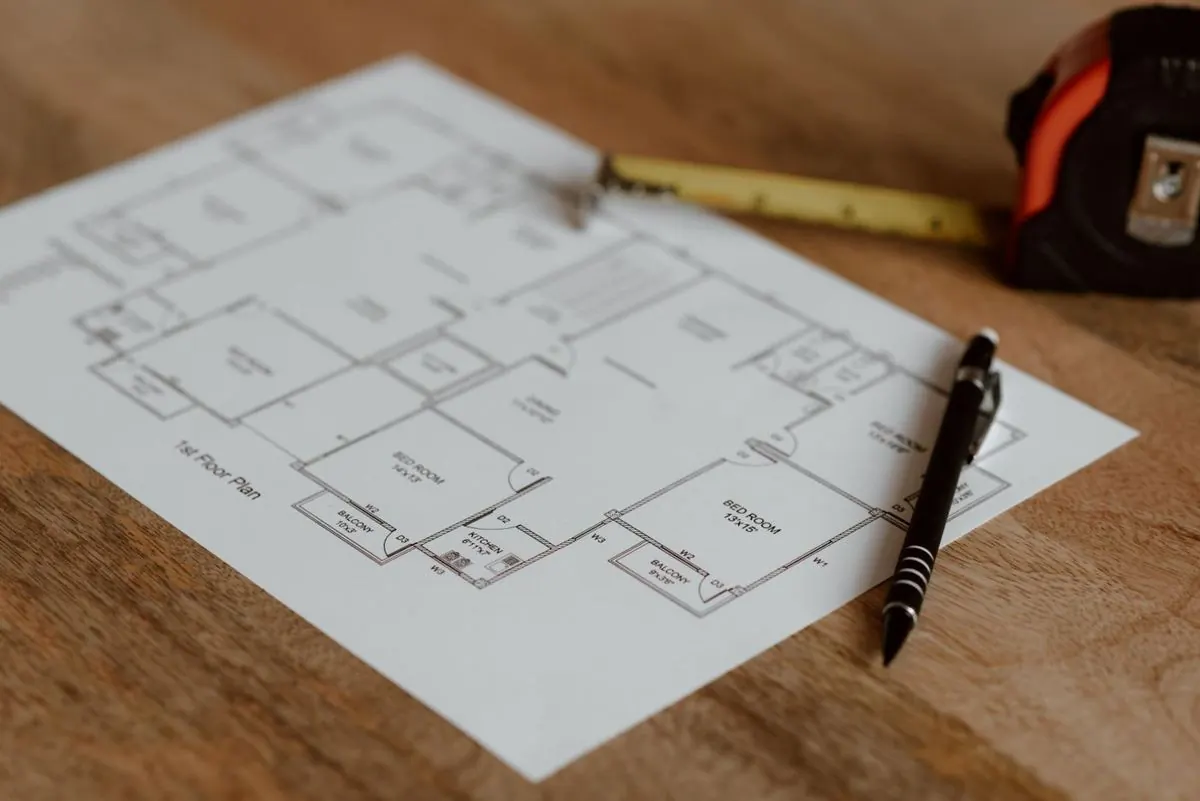
Architecture, defined
An architecture firm designs buildings and coordinates the engineers and consultants who work on them. Under most US contracts the architect also administers the construction contract for the owner, which puts the firm between the client's intent and what gets built.
What Field Letter Press covers for architects and design principals
Field Letter Press reports on the decisions that sit behind the drawings: when an existing frame can be kept, what a client can actually specify when they ask for a building that lasts, and who writes the specifications that carry both.
Case in point
The license is getting faster to earn, and the exam is the part that shrank
NCARB's annual data show the path to licensure shortening two years running.
For most of the last decade the time it takes to become an architect barely moved. NCARB's 2025 report, built on 2024 data, recorded the first drop since the pandemic: the average path from the start of college to a license fell below 13 years for the first time since 2016, about six months shorter than the year before. The 2026 edition, covering 2025, put the average at 12.3 years, roughly four months faster again.
Most of the gain came from the exam. Candidates who finished the Architect Registration Examination in 2025 took two years on average, the shortest completion time in the history of the computerized test. For firms, that matters more than the headline figure. Education still takes the same five or more years, and experience hours still accrue on the job, so the part of licensure a firm can actually accelerate is how quickly its staff sit and pass the divisions.
NCARB also expects the number of U.S. architects to decline in coming years as baby boomers retire, even though the count rose in 2025. A faster pipeline offsets some of that, not all of it.
Sources
- NCARB by the Numbers 2025 coverage, Building Enclosure
- NCARB by the Numbers 2026 summary, ArchCareers Guide
- NCARB by the Numbers 2026 (examination)
Checked against the sources listed, November 14, 2026. Figures and rules that change over time are re-checked when this page is updated.
From The Reference
Source-built tables with downloads, checked November 15, 2026.
- Office conversion floor plates: two New York cases at one scale
Two plates from the city's task force, drawn to the same scale with window and glazing details.
Reporting on architecture
- ExplainerAdaptive Reuse Is Now a Structural Question
The carbon case gets a project to the decision to keep an old frame. A handful of code triggers then decide how much of that frame can stay as it is.
- ExplainerWhat Clients Mean When They Ask for “Timeless”
Timeless is not something a specification can require. A design service life in years, component lives and a signed maintenance commitment are.
- AnalysisThe Spec Writer Is Still a Generalist
The contract form gives the specifications the same weight as the drawings across every trade. The AI tools documented so far find and explain master text; none is shown writing a project manual.
- AnalysisThe Case for Boring Concrete
The carbon cuts documented at scale so far arrived through mixes the ready-mix plant already pours. The remaining reductions on an ordinary project sit in clauses the design team controls.
- AnalysisOffice-to-Residential, Floor Plate by Floor Plate
About 90,300 apartments are in the U.S. office-conversion pipeline. Floor-plate depth, core position and windows screen out most candidate buildings before price is considered.
Questions about architecture
What is adaptive reuse?
Adaptive reuse converts an existing building to a new use, such as an office to housing, while keeping most of its structure. The existing-building code decides how much of the old frame can stay unaltered.
What do specifications do that drawings do not?
Drawings show location, size and quantity. Specifications set the required quality of materials and workmanship and name the standards and tests the work must meet.
What has Field Letter Press published on architecture?
Recent pieces include “Adaptive Reuse Is Now a Structural Question”, “What Clients Mean When They Ask for “Timeless”” and “The Spec Writer Is Still a Generalist”.
Related fields
Page updated November 14, 2026.