Environment and heritage
Environmental remediation: independent reporting for remediation engineers and brownfield teams
Reporting for remediation professionals on liability, records, brownfield reuse and the regulations behind cleanup.
Environmental remediation, defined
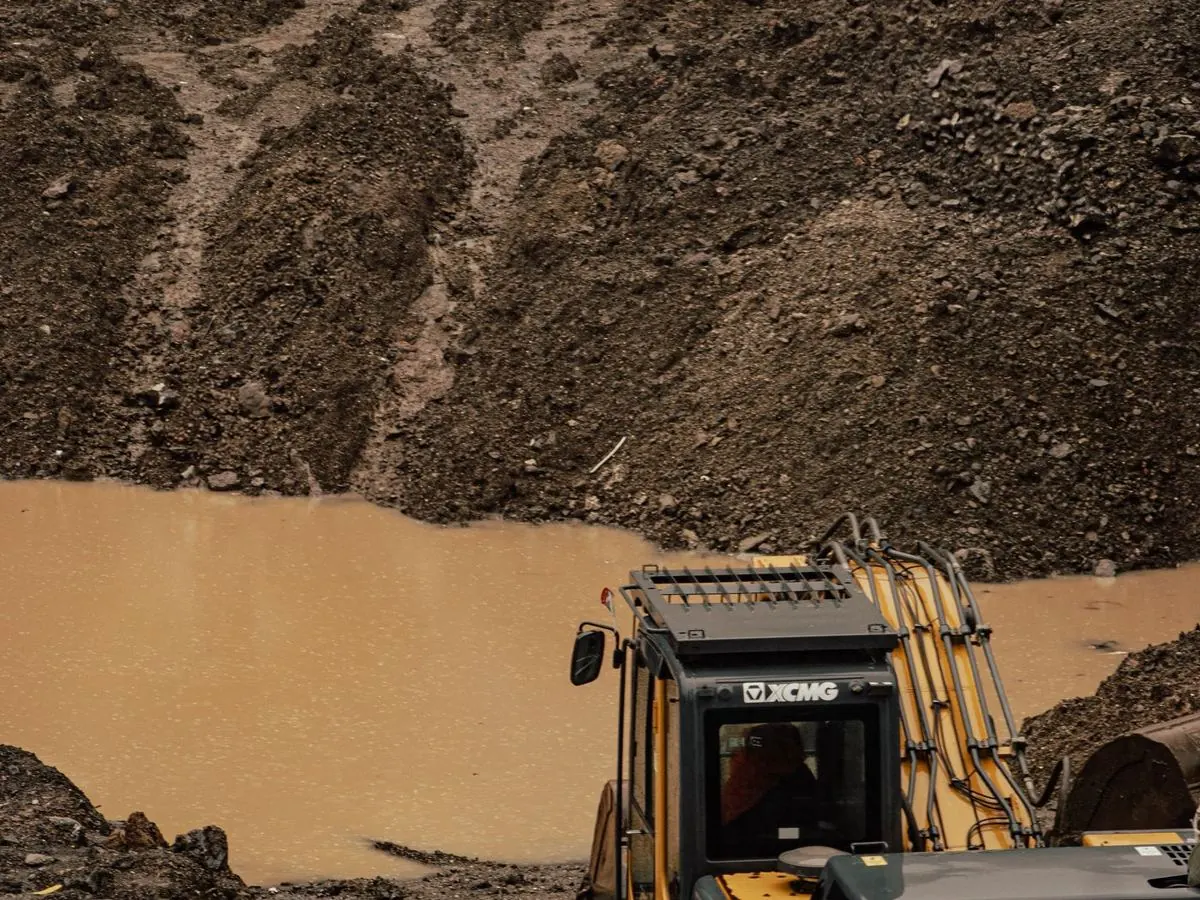
Environmental remediation is the investigation and cleanup of contaminated soil and groundwater so that a site is safe for its intended use.
What Field Letter Press covers for remediation engineers and brownfield teams
Field Letter Press reports on how remediation risk is documented and transferred, and on the reuse projects, from conversions to adaptive reuse, where contamination is found late.
Case in point
Superfund has its own taxes again, for the first time since 1995
Congress revived the chemical and petroleum excise taxes in 2021 and 2022, ending a quarter century of general-fund cleanup.
When Congress created Superfund in 1980, it funded the program mainly with excise taxes on crude oil and imported petroleum, on listed chemicals, and on imported substances made from them. Those taxes lapsed at the end of 1995. For the next quarter century, cleanups at sites without a viable responsible party relied largely on general appropriations.
The taxes came back in two steps. The 2021 infrastructure law reinstated the chemical and imported-substance taxes effective July 1, 2022, through December 31, 2031, at roughly double the old rates on the 42 listed chemicals. The 2022 Inflation Reduction Act reinstated the petroleum tax effective January 1, 2023, at 16.4 cents per barrel, up from the old 9.7 cents and indexed to inflation. Added to the existing 9-cent oil spill tax, domestic crude and imported petroleum now carry 25.4 cents per barrel.
For remediation firms, a dedicated revenue stream matters most at orphan sites, where EPA pays for the work itself. The chemical taxes expire at the end of 2031, so the long-run question is reauthorization. Meanwhile the industries that pay the taxes are often the same ones facing new liability for substances such as PFAS.
Sources
- American Bar Association Tax Times: reinstated Superfund excise taxes
- KPMG: Superfund excise taxes
- Deloitte: Superfund excise tax
Checked against the sources listed, November 14, 2026. Figures and rules that change over time are re-checked when this page is updated.
Reporting on environmental remediation
- AnalysisRemediation’s Next Decade Is About Paperwork and Liability
A federal appeals court has left EPA's hazardous-substance designation for two PFAS chemicals in place. The exposure for owners and lenders runs through reports, certificates and recorded controls.
- ExplainerWetland Delineation After the Rules Changed
The method for finding a wetland boundary has not changed. The federal test for whether that wetland is regulated has changed twice since 2023, and a third change is proposed.
- AnalysisOffice-to-Residential, Floor Plate by Floor Plate
About 90,300 apartments are in the U.S. office-conversion pipeline. Floor-plate depth, core position and windows screen out most candidate buildings before price is considered.
- ExplainerAdaptive Reuse Is Now a Structural Question
The carbon case gets a project to the decision to keep an old frame. A handful of code triggers then decide how much of that frame can stay as it is.
Questions about environmental remediation
What is a brownfield?
A brownfield is a property whose reuse or redevelopment may be complicated by the presence, or possible presence, of contamination.
What is CERCLA?
CERCLA, known as Superfund, is the 1980 federal law that makes owners, operators and certain other parties liable for cleaning up releases of hazardous substances.
What has Field Letter Press published on environmental remediation?
Recent pieces include “Remediation’s Next Decade Is About Paperwork and Liability”, “Wetland Delineation After the Rules Changed” and “Office-to-Residential, Floor Plate by Floor Plate”.
Related fields
Page updated November 14, 2026.