Environment and heritage
Cultural resources management: independent reporting for archaeologists, architectural historians and CRM firms
Independent reporting for cultural resources professionals: Section 106 under fast permitting, review clocks, and how projects are scoped.
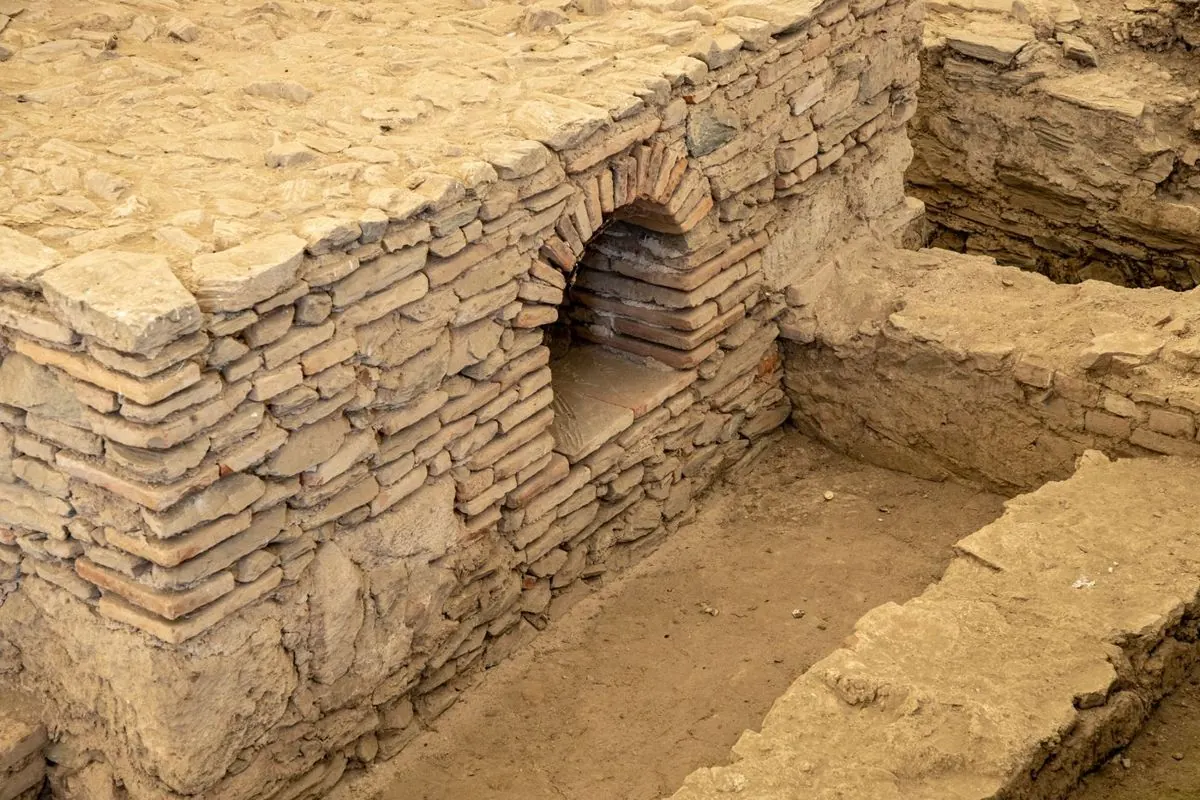
Cultural resources management, defined
Cultural resources management identifies, evaluates and protects archaeological sites, historic buildings and places of cultural importance that a project could affect. In the United States most of this work is done to meet federal and state review requirements.
What Field Letter Press covers for archaeologists, architectural historians and CRM firms
Field Letter Press reports on the review process CRM firms work inside: the deadlines now layered on Section 106, how permitting reform reaches the cultural resources desk, and how large projects are scoped around it.
Case in point
NAGPRA's 2024 rules made consent the condition for display and research
Museums covered cases in January 2024. The deadline that matters to cultural resource firms is five years out.
Read transcript
NAGPRA's 2024 rules made consent the condition for display and research
Museums covered cases in January 2024. The deadline that matters to cultural resource firms is five years out.
The Native American Graves Protection and Repatriation Act has governed the return of ancestral remains and cultural items since 1990. Revised regulations announced December 6, 2023 took effect January 12, 2024. They require museums and federal agencies to defer to the traditional knowledge of lineal descendants, Tribes and Native Hawaiian organizations, eliminate the category of culturally unidentifiable human remains, and set a five-year deadline for institutions to consult and update their inventories.
The most visible change was a new duty of care. Museums and agencies must now obtain free, prior and informed consent before allowing any exhibition of, access to, or research on human remains or cultural items. Within days, several large museums, including the American Museum of Natural History, Harvard's Peabody Museum and the Field Museum, closed or covered displays while they consulted.
For cultural resource management firms the effects reach beyond museums. Federal agencies hold large archaeological collections, much of it recovered through compliance work, and the inventory deadline means consultation, documentation and repatriation work on those collections through early 2029. Research access to existing collections now depends on consent, which changes how firms plan comparative analysis on new projects.
The full piece, with numbered sources, is at fieldletterpress.com.
The Native American Graves Protection and Repatriation Act has governed the return of ancestral remains and cultural items since 1990. Revised regulations announced December 6, 2023 took effect January 12, 2024. They require museums and federal agencies to defer to the traditional knowledge of lineal descendants, Tribes and Native Hawaiian organizations, eliminate the category of culturally unidentifiable human remains, and set a five-year deadline for institutions to consult and update their inventories.
The most visible change was a new duty of care. Museums and agencies must now obtain free, prior and informed consent before allowing any exhibition of, access to, or research on human remains or cultural items. Within days, several large museums, including the American Museum of Natural History, Harvard's Peabody Museum and the Field Museum, closed or covered displays while they consulted.
For cultural resource management firms the effects reach beyond museums. Federal agencies hold large archaeological collections, much of it recovered through compliance work, and the inventory deadline means consultation, documentation and repatriation work on those collections through early 2029. Research access to existing collections now depends on consent, which changes how firms plan comparative analysis on new projects.
NAGPRA's clock, from statute to inventory deadline
Key dates for museums, federal agencies and the collections they hold
Swipe sideways to see the whole chart.
Sources
- Federal Register, December 13, 2023: NAGPRA final rule
- Ballard Spahr: Interior revises NAGPRA regulations
- Harvard Peabody Museum: duty of care for NAGPRA collections
Checked against the sources listed, November 14, 2026. Figures and rules that change over time are re-checked when this page is updated.
Reporting on cultural resources management
- News analysisSection 106 in an Age of Fast Permitting
The Advisory Council on Historic Preservation voted in July to advance a rewrite of its Section 106 rules. Until a final rule is published, the existing regulation governs, and one court has already enjoined an approval that skipped a required finding.
- ExplainerWetland Delineation After the Rules Changed
The method for finding a wetland boundary has not changed. The federal test for whether that wetland is regulated has changed twice since 2023, and a third change is proposed.
- AnalysisThe Quiet Rewrite of the Design-Build Megaproject
Design-build is forecast to reach 47% of construction spending in the segments one study assessed. On the largest public jobs, the price is increasingly negotiated after design has advanced.
- AnalysisRemediation’s Next Decade Is About Paperwork and Liability
A federal appeals court has left EPA's hazardous-substance designation for two PFAS chemicals in place. The exposure for owners and lenders runs through reports, certificates and recorded controls.
Questions about cultural resources management
What is Section 106?
Section 106 of the National Historic Preservation Act requires federal agencies to consider the effects of projects they carry out, fund or permit on historic properties before they proceed.
Who is the SHPO?
The State Historic Preservation Officer is the state official whom federal agencies consult under Section 106. Tribal Historic Preservation Officers hold the corresponding role on tribal lands.
What has Field Letter Press published on cultural resources management?
Recent pieces include “Section 106 in an Age of Fast Permitting”, “Wetland Delineation After the Rules Changed” and “The Quiet Rewrite of the Design-Build Megaproject”.
Related fields
Page updated November 14, 2026.