Owners and operations
Facilities management: independent reporting for facility managers and building operators
Independent reporting for facilities managers: handover, deferred maintenance data, central plants and the digital twin nobody updates.
Facilities management, defined
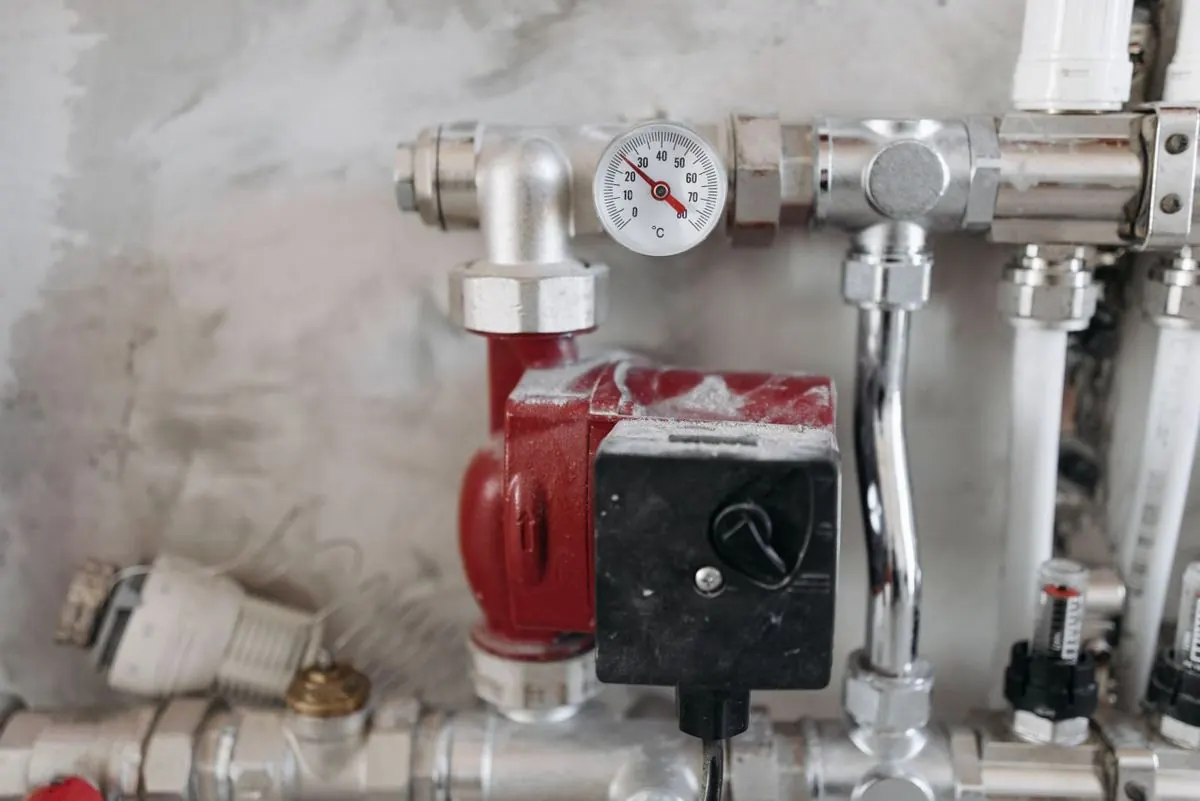
Facilities management is the operation and upkeep of buildings after construction: maintenance, repairs, energy, space and the records that describe the asset.
What Field Letter Press covers for facility managers and building operators
Field Letter Press covers the building after the ribbon is cut: who owns the model and manuals after handover, why deferred maintenance totals are hard to trust, and how a chiller plant becomes a line of business.
Case in point
New York's building emissions law passed its first test. The 2030 limits are the real one
Ninety-five percent of reporting properties met Local Law 97's first caps, which were set to be met.
Local Law 97 requires most New York City buildings over 25,000 square feet to meet annual greenhouse gas limits, with penalties of $268 per metric ton over the cap. Calendar year 2024 was the first compliance year. The Department of Buildings' year-one report found that 95 percent of properties filed, and that 95 percent of the market-rate properties that filed under Article 320 met their emissions limits. Roughly 11,000 properties fall under Article 320 and another 8,900 under Article 321, which covers certain affordable and rent-regulated housing with one-time requirements.
The result was expected. When the law was designed, modeling projected that about 80 percent of covered properties already met the 2024 to 2029 limits. Actual compliance came in higher because of data refinements and alternative pathways. Buildings that complied mostly did so through lighting upgrades, envelope work, heat pumps and building management systems.
The harder period starts in 2030, when limits tighten toward the law's goal of a 40 percent citywide reduction from 2005 levels and net zero by 2050. Facility managers whose buildings passed easily in 2024 should model the 2030 limits now. Capital projects that reduce emissions take longer to plan and fund than one compliance cycle.
Sources
- NYC Department of Buildings: Local Law 97 year one results
- Utility Dive: most NYC buildings met emissions standard in first compliance year
- NYC HPD and DOB: new compliance data on Local Law 97
Checked against the sources listed, November 14, 2026. Figures and rules that change over time are re-checked when this page is updated.
From The Reference
Source-built tables with downloads, checked November 15, 2026.
- Federal deferred maintenance backlogs, series by series
GAO, Defense Department and Park Service figures, kept as separate series with their definitions.
Reporting on facilities management
- AnalysisWho Owns the Building After Handover?
The model, the manuals and the record documents change hands at closeout. The contract forms and standards reviewed here describe that delivery in detail and say little about who keeps the information true afterward.
- AnalysisDeferred Maintenance Has a Data Problem
The federal deferred maintenance backlog more than doubled on paper between fiscal 2017 and 2024. Auditors have shown that part of the growth came from changes in how agencies count.
- AnalysisThe Chiller Plant as a Line of Business
Ohio State and the University of Iowa each took more than $1 billion up front for a 50-year lease of their campus utilities. The fee schedules, a state auditor's review and a lawsuit now show what the owner pays.
- ExplainerThe Digital Twin Nobody Is Assigned to Update
A record model can match the building at handover and drift with every work order after it. The one program reviewed here that keeps its data current ties the update to the maintenance work order.
Questions about facilities management
What is deferred maintenance?
Deferred maintenance is maintenance and repair work that was not done when it was due and has been put off to a later budget period.
What is a CMMS?
A CMMS is a computerized maintenance management system: software that tracks assets, work orders and preventive maintenance.
What has Field Letter Press published on facilities management?
Recent pieces include “Who Owns the Building After Handover?”, “Deferred Maintenance Has a Data Problem” and “The Chiller Plant as a Line of Business”.
Related fields
Page updated November 14, 2026.