Engineering
Geotechnical engineering: independent reporting for geotechnical engineers and foundation specialists
Reporting for geotechnical engineers on existing-building triggers, peer review panels, remediation liability and wetland boundaries.
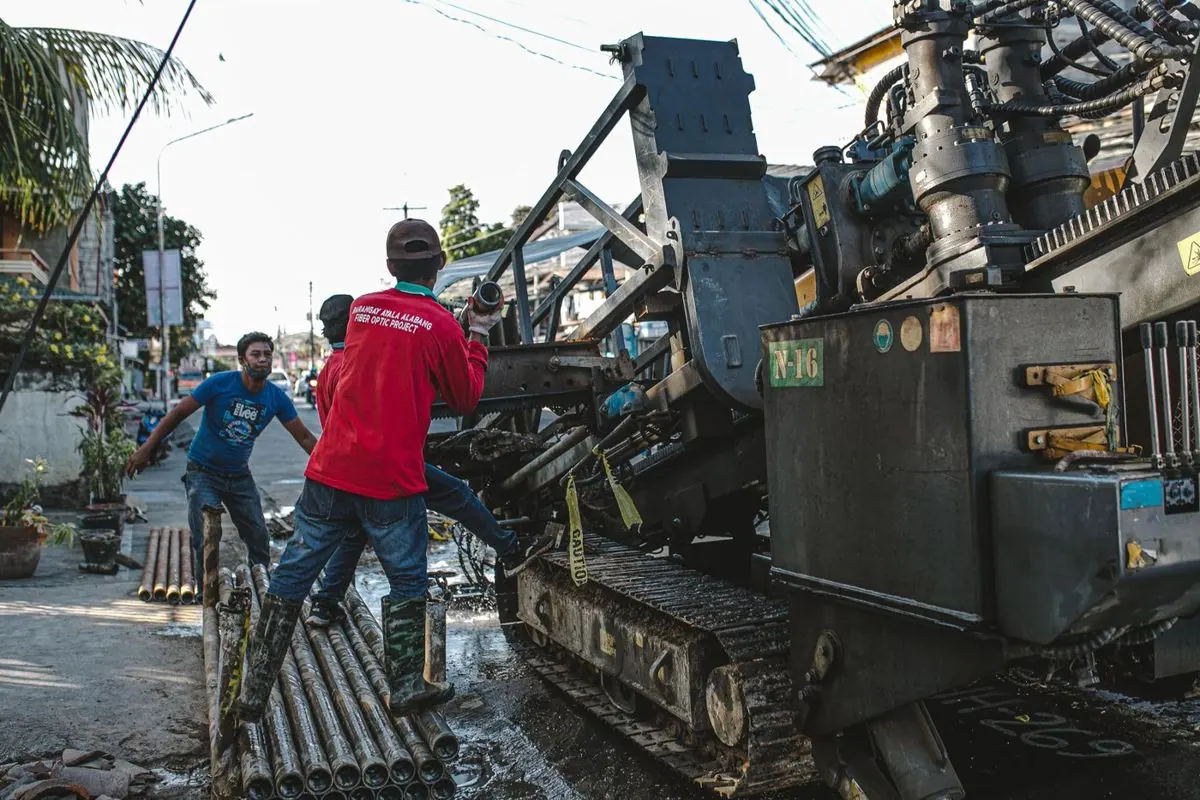
Geotechnical engineering, defined
A geotechnical engineer investigates soil, rock and groundwater and recommends how to design foundations, earthwork and retaining systems for the conditions found.
What Field Letter Press covers for geotechnical engineers and foundation specialists
Ground conditions enter most of the decisions Field Letter Press covers: whether old foundations can take a new use, what review panels ask about ground motions, and who carries liability for contaminated soil.
Case in point
Three quarters of the country can shake hard enough to do damage
The 2023 USGS hazard model was the first to cover all 50 states at once, and it moved risk east.
In January 2024 the U.S. Geological Survey released its 2023 National Seismic Hazard Model, built by a team of more than 50 scientists and engineers. Its headline finding was that nearly 75 percent of the United States could experience damaging earthquake shaking, defined as intensity VI on the Modified Mercalli scale, within 100 years. It was the first model to assess all 50 states together, and it identified nearly 500 additional faults capable of a damaging quake.
The changes that matter to practice are regional. The model shows a greater possibility of damaging shaking along the central and northeastern Atlantic corridor, including Washington, Philadelphia, New York and Boston, and higher potential in California, Alaska and Hawaii. Thirty-seven states have recorded earthquakes above magnitude 5 in the last 200 years.
None of this reaches a project until it flows into design maps, the ASCE 7 standard and the adopted building code. Geotechnical engineers working on the East Coast should expect site class and ground-motion values to keep changing as that happens, and should say which data set a report relies on.
Sources
- USGS news release: new map shows where damaging earthquakes are most likely
- Petersen et al., Earthquake Spectra (2023)
Checked against the sources listed, November 14, 2026. Figures and rules that change over time are re-checked when this page is updated.
Reporting on geotechnical engineering
- ExplainerAdaptive Reuse Is Now a Structural Question
The carbon case gets a project to the decision to keep an old frame. A handful of code triggers then decide how much of that frame can stay as it is.
- AnalysisWhat Structural Peer Review Now Covers
Los Angeles, San Francisco and New York now require review panels that reach beyond structure into geotechnical work, ground motions and wind. None of the documents measures how long that takes.
- AnalysisRemediation’s Next Decade Is About Paperwork and Liability
A federal appeals court has left EPA's hazardous-substance designation for two PFAS chemicals in place. The exposure for owners and lenders runs through reports, certificates and recorded controls.
- ExplainerWetland Delineation After the Rules Changed
The method for finding a wetland boundary has not changed. The federal test for whether that wetland is regulated has changed twice since 2023, and a third change is proposed.
Questions about geotechnical engineering
What is a geotechnical report?
A geotechnical report records the borings and laboratory tests made at a site and gives design recommendations such as bearing capacity, expected settlement and groundwater level.
Why does a change of use call for geotechnical review?
A new use can add load or raise the building's risk category. Engineers then check the existing foundations and soil against the new demand.
What has Field Letter Press published on geotechnical engineering?
Recent pieces include “Adaptive Reuse Is Now a Structural Question”, “What Structural Peer Review Now Covers” and “Remediation’s Next Decade Is About Paperwork and Liability”.
Related fields
Page updated November 14, 2026.