Materials and systems
Fire protection and life safety: independent reporting for fire protection engineers and code consultants
Reporting for fire protection engineers and code consultants on mass timber types, review panels, reuse and conversions.
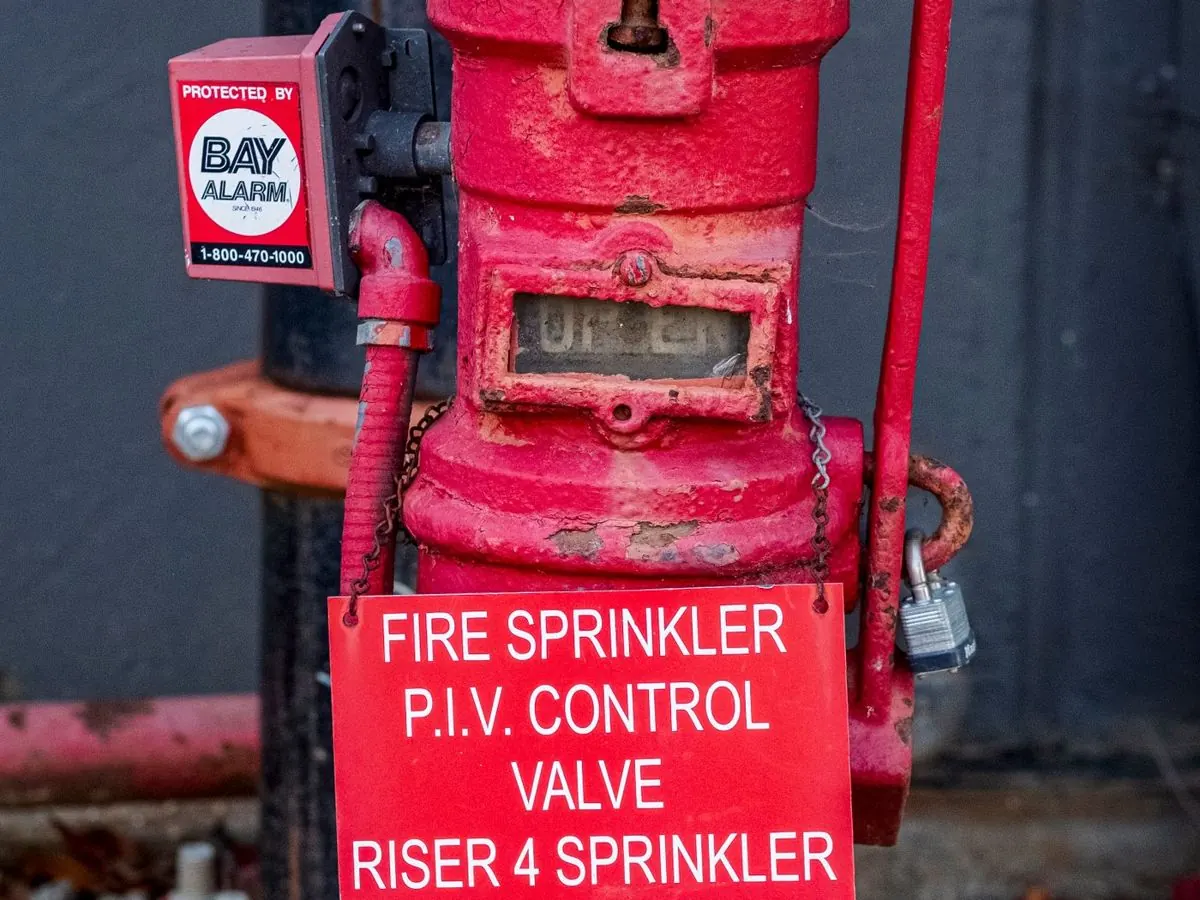
Fire protection and life safety, defined
Fire protection engineering designs the systems and strategies that limit fire and get people out: sprinklers, alarms, smoke control, fire-resistance ratings and egress.
What Field Letter Press covers for fire protection engineers and code consultants
Field Letter Press reports on the code changes and building types that put fire questions first: tall mass timber and how insurers treat it, change-of-use triggers in existing buildings, and office conversions.
Case in point
When sprinklers are present, the fire death rate drops by about 90 percent
NFPA's latest five-year analysis found sprinklers operated in 95 percent of fires big enough to trigger them.
The National Fire Protection Association periodically analyzes U.S. fire department reports to measure how sprinklers perform. Its March 2024 report, covering 2017 through 2021, found that in fires large enough to activate them, sprinklers operated 95 percent of the time and were effective at controlling the fire in 98 percent of the cases where they operated.
The outcomes follow. Compared with fires in properties with no automatic extinguishing system, the civilian death rate per fire was 90 percent lower when sprinklers were present, the civilian injury rate 32 percent lower, and the firefighter injury rate 60 percent lower. Earlier editions found that one sprinkler is usually enough: in an analysis of 2015 to 2019 fires, only one sprinkler operated in 77 percent of the structure fires where any did.
The gap is in homes, where most fire deaths occur and where sprinklers were present in only 7 percent of reported home fires. Many of the deaths that do occur in sprinklered buildings involve fires too small to activate the system, or people close to the fire before it operated. For fire protection engineers the data argue less about whether sprinklers work than about where codes still do not require them.
Sources
- NFPA: U.S. Experience with Sprinklers (report page)
- FireRescue1: highlights of NFPA's March 2024 sprinkler report
- NFPA Journal, Spring 2022: U.S. Experience with Sprinklers summary
Checked against the sources listed, November 14, 2026. Figures and rules that change over time are re-checked when this page is updated.
Reporting on fire protection and life safety
- AnalysisMass Timber Meets the Insurance Market
Tall mass timber is in the building code of 38 states. Insurers classify it by their own methods, and many carriers will take only a third of a project's coverage or less.
- ExplainerAdaptive Reuse Is Now a Structural Question
The carbon case gets a project to the decision to keep an old frame. A handful of code triggers then decide how much of that frame can stay as it is.
- AnalysisOffice-to-Residential, Floor Plate by Floor Plate
About 90,300 apartments are in the U.S. office-conversion pipeline. Floor-plate depth, core position and windows screen out most candidate buildings before price is considered.
- AnalysisWhat Structural Peer Review Now Covers
Los Angeles, San Francisco and New York now require review panels that reach beyond structure into geotechnical work, ground motions and wind. None of the documents measures how long that takes.
Questions about fire protection and life safety
What are construction Types IV-A, IV-B and IV-C?
They are the three mass timber construction types added in the 2021 International Building Code. They allow buildings up to 18, 12 and 9 stories, with different requirements for covering the timber.
What is performance-based fire design?
Performance-based design shows by engineering analysis that a building meets fire safety goals, as an alternative to following the code's prescriptive requirements.
What has Field Letter Press published on fire protection and life safety?
Recent pieces include “Mass Timber Meets the Insurance Market”, “Adaptive Reuse Is Now a Structural Question” and “Office-to-Residential, Floor Plate by Floor Plate”.
Related fields
Page updated November 14, 2026.