Construction
Construction procurement: independent reporting for buyers, procurement managers and project executives
Reporting for construction buyers on material prices, lead times, tariffs and the contract terms that decide who absorbs a cost increase.
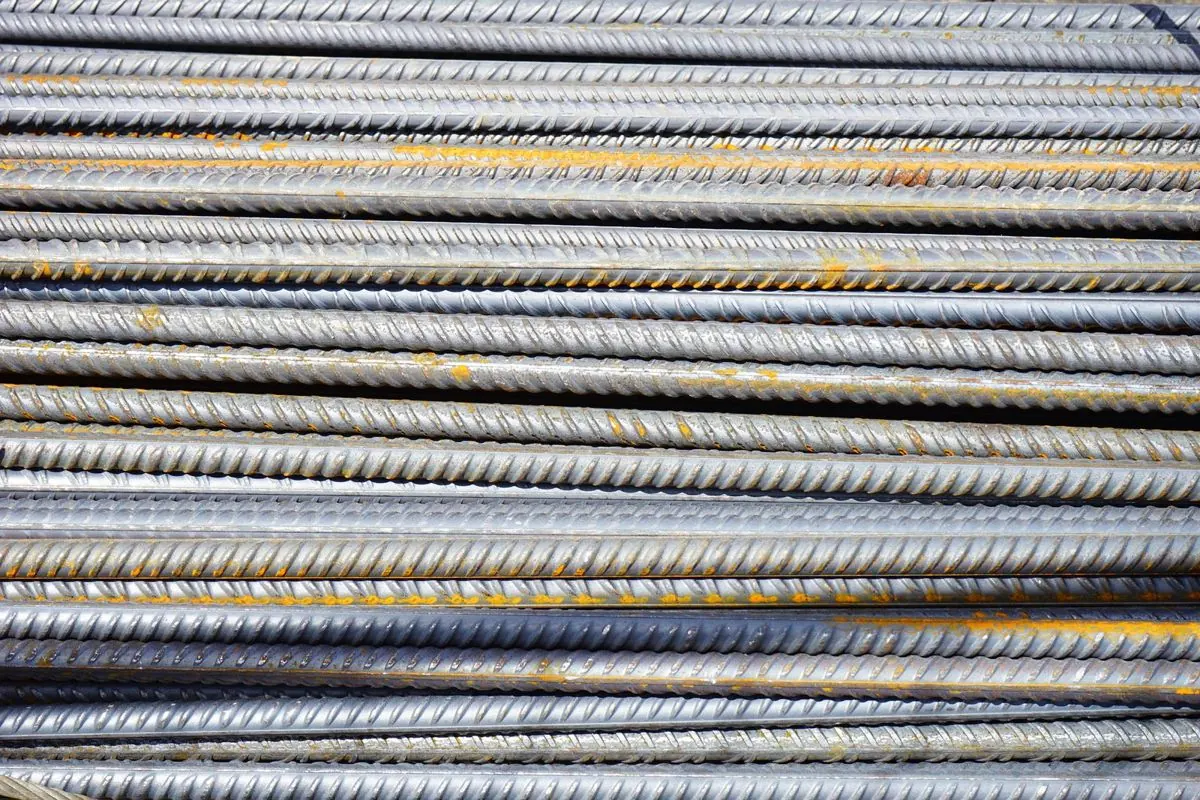
Construction procurement, defined
Construction procurement is the buying side of a project: pricing, ordering and scheduling the materials, equipment and subcontracts the work needs, and setting the terms under which prices can change.
What Field Letter Press covers for buyers, procurement managers and project executives
Field Letter Press reports on what moves a purchase order: producer price data for construction inputs, lead times for steel and electrical gear, and the bid tabulations and contract clauses that show who carries the risk.
Case in point
Construction input prices rose 11.9 percent in a year. Bid prices rose 5.4
The gap between what contractors pay for materials and what they charge for finished work has stayed open all of 2026.
Read transcript
Construction input prices rose 11.9 percent in a year. Bid prices rose 5.4
The gap between what contractors pay for materials and what they charge for finished work has stayed open all of 2026.
The producer price index for inputs to new nonresidential construction rose 11.9 percent from September 2025 to September 2026, the largest increase in four years, according to the Associated General Contractors of America's analysis of Bureau of Labor Statistics data. Over the same period the index for new nonresidential building construction, which measures what contractors say they would charge to build a fixed set of buildings, rose 5.4 percent.
The spread has been open all year. In AGC's monthly readings, input prices were 6.6 percent higher than a year earlier in April against 3.6 percent for bid prices, 8.4 against 3.5 in May, and 7.1 against 3.5 in June. Metals lead the increase. Over the year to September, steel mill products rose 27.6 percent, aluminum mill shapes 25.2 percent and copper and brass mill shapes 30.0 percent, after tariffs of up to 50 percent were imposed in 2025. Diesel fuel at the refinery or terminal more than doubled.
Price is half of the purchasing problem. AGC's chief economist, Ken Simonson, said lead times for key steel components have lengthened, and the association reported that some steel beam suppliers have full order books through spring 2027. In a survey AGC ran with NCCER in July and August, 55 percent of respondents said they had projects canceled, postponed or scaled back in the previous six months. When inputs climb about twice as fast as the price of the finished building, a contractor on a fixed price absorbs the difference unless the contract moves it. That puts the weight on two decisions made early: whether the contract carries a material escalation clause, and how soon the long-lead steel is bought.
The full piece, with numbered sources, is at fieldletterpress.com.
The producer price index for inputs to new nonresidential construction rose 11.9 percent from September 2025 to September 2026, the largest increase in four years, according to the Associated General Contractors of America's analysis of Bureau of Labor Statistics data. Over the same period the index for new nonresidential building construction, which measures what contractors say they would charge to build a fixed set of buildings, rose 5.4 percent.
The spread has been open all year. In AGC's monthly readings, input prices were 6.6 percent higher than a year earlier in April against 3.6 percent for bid prices, 8.4 against 3.5 in May, and 7.1 against 3.5 in June. Metals lead the increase. Over the year to September, steel mill products rose 27.6 percent, aluminum mill shapes 25.2 percent and copper and brass mill shapes 30.0 percent, after tariffs of up to 50 percent were imposed in 2025. Diesel fuel at the refinery or terminal more than doubled.
Price is half of the purchasing problem. AGC's chief economist, Ken Simonson, said lead times for key steel components have lengthened, and the association reported that some steel beam suppliers have full order books through spring 2027. In a survey AGC ran with NCCER in July and August, 55 percent of respondents said they had projects canceled, postponed or scaled back in the previous six months. When inputs climb about twice as fast as the price of the finished building, a contractor on a fixed price absorbs the difference unless the contract moves it. That puts the weight on two decisions made early: whether the contract carries a material escalation clause, and how soon the long-lead steel is bought.
Contractors' costs are rising about twice as fast as their prices
Change from a year earlier, 2026, percent
July and August bid-price changes were not reported in AGC's releases and are omitted.
Sources
- AGC: construction input costs rise 11.9% from September 2025 to September 2026 (Oct. 15, 2026)
- AGC Data DIGest, Oct. 12-16, 2026: bid-price index up 5.4%
- AGC: input costs and bid prices, April 2026 (May 13, 2026)
- AGC: input costs and bid prices, May 2026 (June 11, 2026)
- AGC: input costs and bid prices, June 2026 (July 15, 2026)
- AGC: input costs up 8.9% and AGC/NCCER survey findings (Sept. 10, 2026)
Checked against the sources listed, November 14, 2026. Figures and rules that change over time are re-checked when this page is updated.
Reporting on construction procurement
- ExplainerReading a Bid Tab Like an Economist
Federal rules require a tabulation of every bid on federal-aid highway work. The number of bidders and the spread between them say more about the market than the low number does.
- AnalysisThe Subcontractor Default Risk, and Who Carries It
A general contractor can cover a subcontractor's failure with a bond, an insurance policy or its own balance sheet. Only the bond protects the suppliers and lower-tier firms beneath the one that failed.
- ExplainerHow Water Utilities Are Allowed to Buy Software
Federal security deadlines put new duties on water systems this year. The procurement rules those systems must follow when they buy software were drafted for construction bids and engineering selection.
- AnalysisThe Quiet Rewrite of the Design-Build Megaproject
Design-build is forecast to reach 47% of construction spending in the segments one study assessed. On the largest public jobs, the price is increasingly negotiated after design has advanced.
Questions about construction procurement
What is a material price escalation clause?
It is a contract provision that adjusts the price when the cost of specified materials moves beyond an agreed amount, usually measured against a named price index.
What is buyout in construction?
Buyout is the stage after award when a contractor issues subcontracts and purchase orders for the work, ideally fixing prices and delivery dates before they move.
What has Field Letter Press published on construction procurement?
Recent pieces include “Reading a Bid Tab Like an Economist”, “The Subcontractor Default Risk, and Who Carries It” and “How Water Utilities Are Allowed to Buy Software”.
Related fields
Page updated November 14, 2026.