Construction
Modular and prefabricated construction: independent reporting for modular manufacturers and offsite teams
Reporting for modular and prefab builders on shipping limits, site fit-up, mass timber insurance and conversion projects.
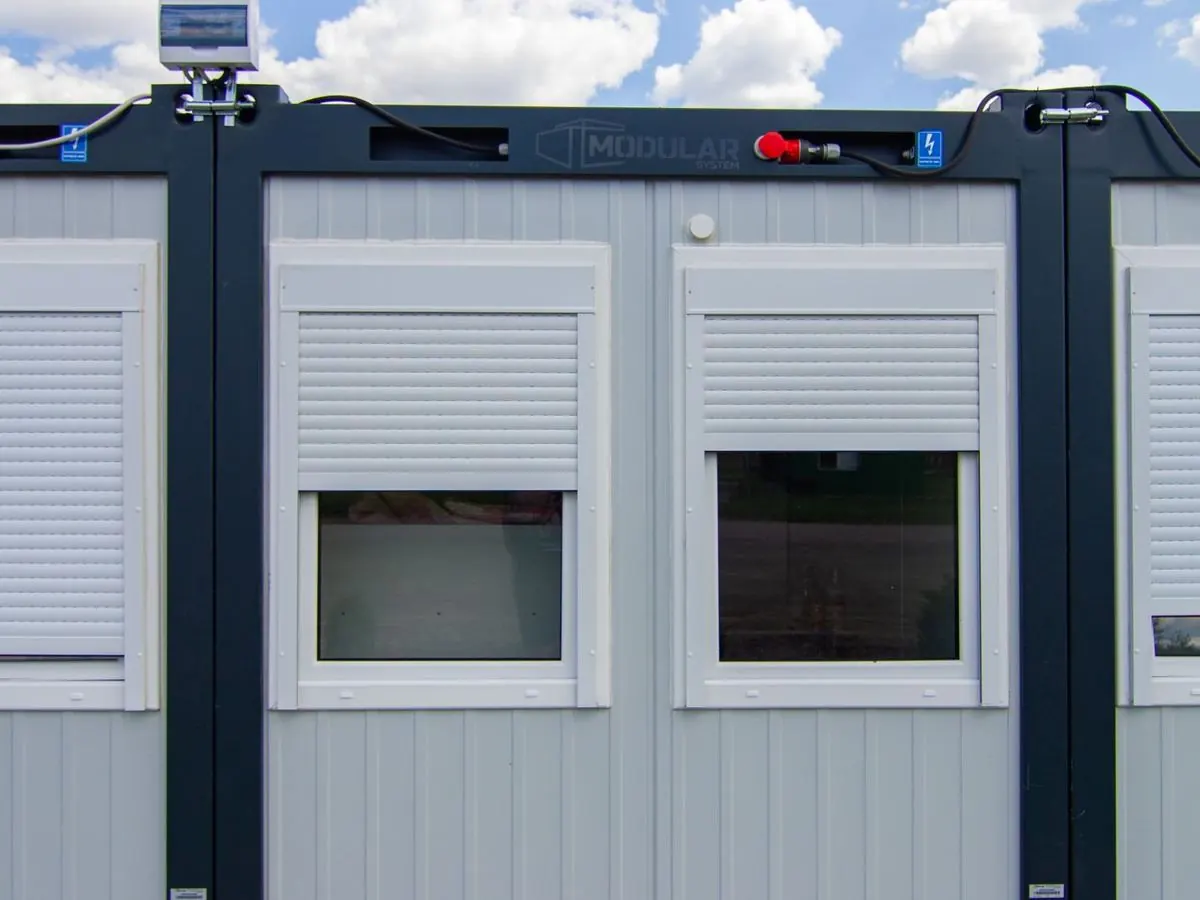
Modular and prefabricated construction, defined
Modular and prefabricated construction makes building components in a factory and ships them to the site for assembly. The work ranges from flat wall and floor panels to fully finished volumetric modules.
What Field Letter Press covers for modular manufacturers and offsite teams
Field Letter Press covers the parts of offsite construction that decide whether factory savings survive: transport rules, the loading dock, site labor and how insurers treat the materials.
Case in point
The first standards written for factory-built buildings, and why a patchwork remains
ICC and the Modular Building Institute published 1200 and 1205 in 2021 and added 1210 for MEP systems.
Modular construction has always had a regulatory problem. A module built in one state and installed in another can face a different approval regime at each end, and inspectors who are used to seeing walls open on site arrive to find them closed. In November 2021 the International Code Council and the Modular Building Institute published two standards meant to address that. ICC/MBI 1200 covers planning, design, fabrication, transport and assembly. ICC/MBI 1205 covers inspection, approval and regulatory compliance, including the work completed at the final site.
A third standard, ICC/MBI 1210-2023, followed for mechanical, electrical and plumbing systems, energy efficiency and water conservation in off-site work. None of the three applies to HUD-code manufactured housing, which has its own federal standard.
The standards create a common reference, not a common approval. Like any ICC standard, they bind a project only where a state or local code adopts them, and state modular programs still run their own plan review and third-party inspection systems. For manufacturers selling across state lines, the useful question for each market is whether its program recognizes these standards or still requires its own.
Sources
Checked against the sources listed, November 14, 2026. Figures and rules that change over time are re-checked when this page is updated.
Reporting on modular and prefabricated construction
- AnalysisPrefab’s Hard Parts Include the Loading Dock
Federal rules cap vehicle width at 102 inches and leave wider loads to state permits. Shipping, the haul route and fit-up at the site decide whether factory savings survive delivery.
- AnalysisMass Timber Meets the Insurance Market
Tall mass timber is in the building code of 38 states. Insurers classify it by their own methods, and many carriers will take only a third of a project's coverage or less.
- AnalysisSuperintendents Are Hard to Hire. The Schedule Effect Is Unmeasured.
Three in four contractors hiring superintendents say the job is hard to fill. No survey read for this article measures what that does to bidding or to schedules.
- AnalysisOffice-to-Residential, Floor Plate by Floor Plate
About 90,300 apartments are in the U.S. office-conversion pipeline. Floor-plate depth, core position and windows screen out most candidate buildings before price is considered.
Questions about modular and prefabricated construction
What is the difference between volumetric and panelized construction?
Volumetric modules are three-dimensional units shipped largely finished. Panelized systems ship flat wall, floor and roof panels that are assembled into rooms on site.
Why does transport matter so much in modular construction?
Module size is limited by what roads and permits allow, and shipping, craning and fit-up are paid for on top of factory cost.
What has Field Letter Press published on modular and prefabricated construction?
Recent pieces include “Prefab’s Hard Parts Include the Loading Dock”, “Mass Timber Meets the Insurance Market” and “Superintendents Are Hard to Hire. The Schedule Effect Is Unmeasured.”.
Related fields
Page updated November 14, 2026.