Design
Landscape architecture: independent reporting for landscape architects and site designers
Reporting for landscape architects on wetlands rules, heritage review, site permitting and the long life of public space.
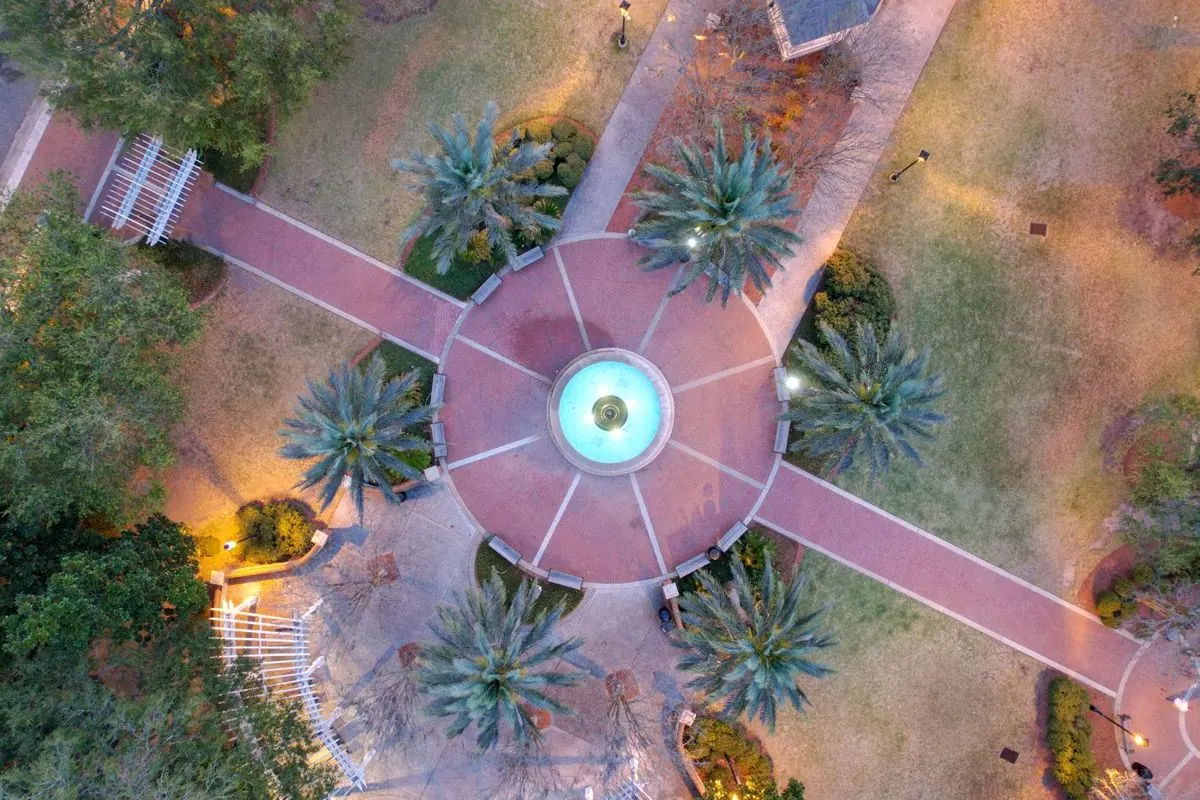
Landscape architecture, defined
Landscape architecture is the design of outdoor space: grading, planting, paving, stormwater and the public realm around buildings and infrastructure. It is a licensed profession in US states.
What Field Letter Press covers for landscape architects and site designers
Site design is where permitting lands first. Field Letter Press covers the wetland and heritage reviews that shape a site plan, and the questions of design life and maintenance that decide whether a landscape survives its first budget cycle.
Case in point
Landscape architecture became a STEM degree in 2023, and the hiring math changed with it
A Homeland Security list most firms never read now shapes who they can keep after graduation.
On July 12, 2023, the Department of Homeland Security added eight fields to its STEM Designated Degree Program List. Landscape architecture, CIP code 04.0601, was one of them. Architecture had been added in 2018. DHS had received nominations for 120 fields and chose eight.
The list exists for one practical purpose. It decides whether an international student on an F-1 visa can apply for the 24-month STEM extension of Optional Practical Training after graduating. Before the change, a foreign graduate of a landscape architecture program generally had one year of post-completion work authorization. After it, eligible graduates can work up to three years in total, which gives a firm more time to sponsor a longer-term visa and gives the graduate more time toward licensure.
Two conditions are easy to miss. The employer has to be enrolled in E-Verify, and the student's degree has to carry the qualifying CIP code, which depends on how the school classifies the program.
Sources
- Federal Register notice summarized by Littler, July 2023
- UIC Office of International Services: new CIP codes added
- University of Arkansas: STEM designation for landscape architecture
Checked against the sources listed, November 14, 2026. Figures and rules that change over time are re-checked when this page is updated.
Reporting on landscape architecture
- ExplainerWetland Delineation After the Rules Changed
The method for finding a wetland boundary has not changed. The federal test for whether that wetland is regulated has changed twice since 2023, and a third change is proposed.
- News analysisSection 106 in an Age of Fast Permitting
The Advisory Council on Historic Preservation voted in July to advance a rewrite of its Section 106 rules. Until a final rule is published, the existing regulation governs, and one court has already enjoined an approval that skipped a required finding.
- ExplainerWhat Clients Mean When They Ask for “Timeless”
Timeless is not something a specification can require. A design service life in years, component lives and a signed maintenance commitment are.
- AnalysisOffice-to-Residential, Floor Plate by Floor Plate
About 90,300 apartments are in the U.S. office-conversion pipeline. Floor-plate depth, core position and windows screen out most candidate buildings before price is considered.
Questions about landscape architecture
What is green stormwater infrastructure?
It is the use of soil, plants and permeable surfaces, such as bioretention areas and rain gardens, to slow and filter runoff close to where the rain falls.
Why do wetland rules matter to a site plan?
A regulated wetland limits where a project can grade and build. Impacts usually require a permit and mitigation, so the boundary is settled before the layout is.
What has Field Letter Press published on landscape architecture?
Recent pieces include “Wetland Delineation After the Rules Changed”, “Section 106 in an Age of Fast Permitting” and “What Clients Mean When They Ask for “Timeless””.
Related fields
Page updated November 14, 2026.